
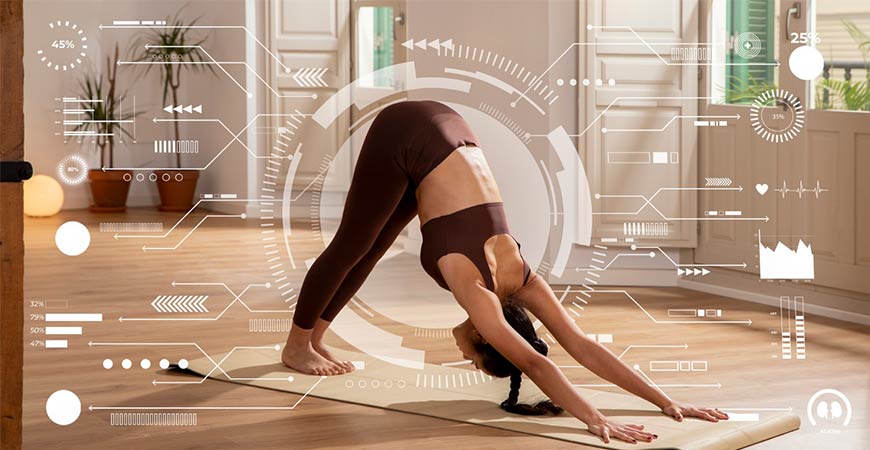

Yogalates is often described as a “feel-based” practice, where progress shows up as better control, smoother breath, and improved body awareness rather than obvious numbers. Yet many practitioners in Singapore enjoy using technology to understand their bodies better, especially when balancing busy workdays, training, and recovery. When used wisely, wearables and mobility apps can complement a yogalates singapore practice without turning it into a numbers game.
This article explores how to use fitness trackers and apps to measure meaningful progress in yogalates, what data is actually useful, and how to avoid common traps that can distract from embodied movement.
Why yogalates progress is harder to “measure”
Unlike running pace or lifting weights, yogalates progress is subtle. Improvements often happen internally before they are visible.
Common signs of progress include:
-
Better breath control during challenging sequences
-
Reduced neck, shoulder, or lower back tension
-
Improved balance and coordination
-
Smoother transitions between movements
-
Faster recovery between sessions
Wearables cannot directly measure awareness or coordination, but they can provide indirect signals that support reflection.
Using tech as feedback, not judgement
The most important mindset shift is how you interpret data. In yogalates, tech works best as feedback, not as a scorecard.
Helpful principles:
-
Look for trends over time, not daily fluctuations
-
Use data to ask questions, not to label sessions as “good” or “bad”
-
Pair numbers with how your body actually feels
-
Accept that some benefits cannot be quantified
This approach keeps technology supportive rather than stressful.
Heart rate data, what matters and what does not
Many wearables track heart rate continuously. For yogalates, heart rate is less about intensity zones and more about regulation.
Useful heart rate insights:
-
How quickly your heart rate rises during controlled effort
-
How efficiently it comes down during rest phases
-
Whether breath-focused work lowers baseline heart rate over weeks
What matters less:
-
Calories burned per session
-
Comparing yogalates heart rate to cardio workouts
-
Chasing higher heart rate as a sign of progress
A steady, moderate heart rate paired with good breath control often signals efficient movement.
Heart rate variability and nervous system balance
Heart rate variability, often shortened to HRV, is one of the most relevant metrics for yogalates practitioners. It reflects how adaptable your nervous system is.
In simple terms:
-
Higher or improving HRV trends often indicate better recovery and resilience
-
Lower or consistently suppressed HRV may signal stress, fatigue, or poor sleep
Regular yogalates practice, especially with breath emphasis, can support nervous system regulation. Tracking HRV trends over weeks can help you see this effect.
Breathing metrics and their limitations
Some devices estimate breathing rate or respiratory patterns. While these metrics are imperfect, they can still offer clues.
What can be useful:
-
Resting breathing rate trends
-
Whether breath slows more quickly after effort
-
Changes in breathing during sleep
What to be cautious about:
-
Obsessing over exact breath counts
-
Assuming device estimates are perfectly accurate
-
Trying to “game” breathing metrics during practice
Breath awareness felt internally remains more reliable than any sensor.
Sleep tracking and recovery signals
Sleep quality strongly affects how you feel in yogalates sessions. Wearables that track sleep can highlight patterns that influence movement quality.
Helpful sleep insights:
-
Total sleep duration trends
-
Consistency of sleep and wake times
-
Perceived restfulness after nights with better sleep scores
Many practitioners notice smoother sessions and better focus after nights of good sleep, even if training volume stays the same.
Mobility apps and subjective tracking
Apps designed for mobility, stretching, or mindful movement often include self-assessment tools. These are particularly useful for yogalates.
Examples of helpful tracking:
-
Range-of-motion notes
-
Post-session reflections
-
Pain or tension ratings
-
Energy and mood logs
These subjective inputs often reveal more about yogalates progress than purely physical metrics.
Combining objective data with body awareness
The strongest insights come from combining wearable data with self-observation.
A simple reflection framework:
-
What does the data show today?
-
How did the session feel in my body?
-
Did breath feel easy or forced?
-
Was tension reduced or increased afterwards?
Over time, patterns emerge that help guide training choices.
What progress actually looks like on apps
Instead of dramatic spikes, yogalates progress often shows up as subtle shifts.
Common tech-based signs of improvement:
-
Slightly lower resting heart rate over months
-
Improved HRV consistency
-
Faster heart rate recovery post-session
-
Better sleep scores on training days
-
Fewer “high stress” readings during the day
These changes tend to be gradual and cumulative.
Avoiding the trap of over-tracking
One risk of using tech with mindful practices is distraction. Constant checking can pull attention away from sensation and breath.
Signs you may be over-tracking:
-
Checking stats during class
-
Feeling anxious about missing data
-
Letting numbers override body signals
-
Comparing sessions excessively
If this happens, it can help to track only one or two metrics for a few weeks, then reassess.
Practical ways to use tech alongside yogalates
Here is a balanced approach that works well for many people.
Before practice:
-
Note energy level and stress
-
Avoid checking detailed stats immediately before class
During practice:
-
Focus on movement, breath, and cues
-
Ignore the device unless safety requires it
After practice:
-
Review heart rate recovery or general trends
-
Add a short subjective note in your app
This keeps technology in a supportive role.
Tech cannot replace skilled instruction
Wearables provide data, but they cannot correct alignment, cue breath, or spot compensation patterns. Many metrics improve fastest when practice quality improves.
Learning in a structured environment such as classes at Yoga Edition often helps practitioners interpret their data better because they understand what sensations and patterns to look for in their bodies.
Long-term value of tracking for yogalates
When used thoughtfully, tracking builds awareness rather than dependency.
Long-term benefits include:
-
Better understanding of how stress affects movement
-
More confidence in adjusting training load
-
Improved recovery habits
-
Stronger connection between lifestyle choices and practice quality
Over time, many practitioners rely less on numbers because their internal awareness becomes sharper.
FAQ
Q: Can wearables accurately measure yogalates intensity?
A: They can estimate heart rate and general effort, but they do not capture coordination, control, or breath quality. Intensity in yogalates is not always reflected in heart rate alone.
Q: Is HRV useful if my readings fluctuate a lot?
A: Yes, but focus on weekly or monthly trends rather than daily values. Fluctuations are normal and often influenced by sleep, stress, and hydration.
Q: Should I track every yogalates session?
A: Not necessarily. Some people benefit from tracking a few sessions per week, while others prefer periodic check-ins. Choose what supports awareness without distraction.
Q: Can tracking help prevent overtraining?
A: It can. Consistently low HRV, poor sleep scores, or elevated resting heart rate may signal the need for lighter sessions or more recovery.
Q: Do mobility apps replace professional guidance?
A: No. Apps can support reflection and consistency, but skilled instruction is essential for learning correct movement patterns and breath coordination.
Q: What if tracking makes me anxious?
A: That is a sign to reduce metrics, take breaks from tracking, or refocus on how your body feels. Technology should support practice, not create stress.

Comments are closed.