
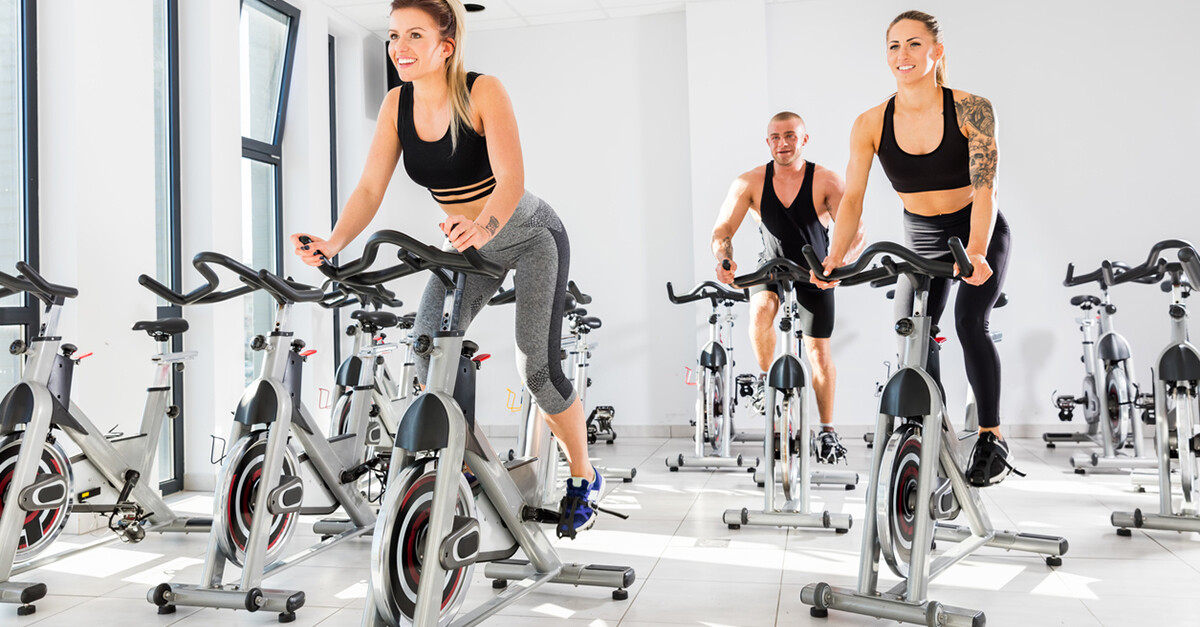

Wearable technology has changed how people understand fitness. Instead of guessing intensity or relying purely on how tired a workout feels, data now provides clarity. Heart rate trends, cadence patterns, power output, and recovery indicators offer actionable insights that go far beyond calorie counts. This is especially true in a structured indoor spin class where movement patterns, resistance changes, and intensity intervals are predictable and repeatable.
Indoor spin training creates an ideal environment for wearable devices to capture meaningful performance data. When interpreted correctly, these metrics help individuals train smarter, recover better, and make informed decisions about long-term health and fitness.
Why Indoor Spin Classes Are Ideal for Wearable Tracking
Not all workouts generate clean, usable data. Outdoor activities are influenced by terrain, weather, and interruptions, which can distort metrics. Indoor spin classes remove many of these variables.
Key advantages include:
-
Controlled resistance and cadence
-
Consistent session duration
-
Minimal external interruptions
-
Repeatable class structures
This consistency allows wearables to capture reliable trends over time rather than one-off data points.
Heart Rate Zones and Cardiovascular Insights
Heart rate monitoring is one of the most valuable wearable metrics during indoor spin training. It provides insight into cardiovascular load and efficiency.
Wearables typically categorise heart rate into zones, each reflecting a different physiological response.
Key observations from spin sessions include:
-
Time spent in elevated heart rate zones
-
Speed of heart rate recovery post-interval
-
Ability to sustain higher zones over time
Improved cardiovascular fitness is reflected when:
-
Peak heart rate becomes easier to reach and control
-
Recovery heart rate drops faster between intervals
-
Lower heart rates are maintained at higher workloads
These trends indicate improved cardiac efficiency rather than just temporary exertion.
Cadence Data and Neuromuscular Efficiency
Cadence refers to pedal revolutions per minute. Many wearables and spin bikes track cadence directly, offering insights into movement efficiency.
Cadence metrics reveal:
-
Smoothness of pedal stroke
-
Ability to maintain rhythm under resistance
-
Neuromuscular coordination improvements
Over time, data often shows:
-
Reduced cadence variability during hard efforts
-
Improved control at both high and low cadences
-
Less fatigue-induced form breakdown
These improvements reflect better communication between the nervous system and working muscles.
Power Output and Training Quality
Some indoor spin setups integrate power measurement, either through the bike or wearable-compatible systems. Power output is one of the most objective indicators of performance.
Power metrics help identify:
-
True effort independent of heart rate
-
Strength gains under resistance
-
Consistency across intervals
Trends to watch include:
-
Higher average power at the same perceived effort
-
Increased peak power during sprints
-
Reduced power drop-off toward session end
These changes indicate improved muscular endurance and energy utilisation.
Recovery Metrics and Training Readiness
Modern wearables do not stop tracking when the workout ends. Recovery metrics are becoming increasingly important.
Common recovery indicators include:
-
Resting heart rate trends
-
Heart rate variability
-
Sleep duration and quality
-
Daily activity balance
Indoor spin training often shows clear recovery patterns because sessions are structured and intense.
Positive recovery trends include:
-
Lower resting heart rate over weeks
-
Improved heart rate variability consistency
-
Faster post-session heart rate normalisation
These signals help individuals adjust training frequency without guesswork.
Calorie Data Versus Metabolic Insight
Calories burned are often overemphasised. While wearable calorie estimates provide a general reference, they are less precise than other metrics.
More meaningful insights include:
-
Energy expenditure trends over time
-
Relationship between intensity and fatigue
-
Post-exercise metabolic elevation patterns
Indoor spin classes typically produce:
-
High energy expenditure per minute
-
Sustained metabolic elevation after sessions
-
Improved efficiency at similar workloads
Tracking trends rather than single-session numbers leads to better training decisions.
Fatigue Detection Through Data Patterns
Wearables can help identify fatigue before it becomes obvious physically.
Warning signs include:
-
Elevated heart rate at low workloads
-
Reduced power output despite high effort
-
Slower recovery heart rate
-
Declining heart rate variability
Indoor spin training highlights these patterns clearly due to consistent session structure. Recognising them early allows for recovery adjustments rather than forced rest due to burnout.
Long-Term Trend Analysis Versus Daily Obsession
The true value of wearable data lies in long-term trends rather than daily fluctuations.
Effective trend analysis focuses on:
-
Weekly and monthly averages
-
Progression consistency
-
Recovery stability
-
Performance plateaus or improvements
Indoor spin classes make trend analysis easier because sessions are comparable across weeks, unlike variable outdoor workouts.
Using Data to Personalise Intensity
Wearables help individuals personalise effort within group classes.
Benefits include:
-
Avoiding overexertion on high-stress days
-
Pushing intensity when recovery metrics are strong
-
Matching resistance to physiological readiness
This personalisation improves outcomes without disrupting group dynamics.
Sleep and Spin Training Interactions
Sleep quality is closely linked to training performance. Wearables track sleep stages and duration, offering valuable context.
Spin training often improves sleep by:
-
Reducing stress hormone levels
-
Supporting circadian rhythm regulation
-
Promoting deeper sleep stages
However, data may also reveal:
-
Sleep disruption after late-night high-intensity sessions
-
Need for earlier training times on work-heavy days
Adjusting class timing based on sleep data enhances overall recovery.
Behavioural Motivation Through Objective Feedback
Wearables reinforce consistency by providing visible progress indicators.
Motivational benefits include:
-
Seeing measurable improvement
-
Validating effort beyond appearance changes
-
Reinforcing habit formation
Indoor spin classes amplify this effect because performance improvements are easier to track in a controlled setting.
Avoiding Data Misinterpretation
Data is only useful when interpreted correctly. Over-focusing on single metrics can be misleading.
Common pitfalls include:
-
Chasing calorie numbers at the expense of quality
-
Comparing data with others instead of personal baselines
-
Ignoring recovery indicators
Balanced interpretation considers performance, recovery, and wellbeing together.
Integration with Professional Training Environments
Wearable data becomes more meaningful when combined with structured coaching. Facilities such as TFX Singapore offer spin environments where consistent programming allows data to align closely with training intent.
This integration helps individuals translate numbers into actionable improvements rather than confusion.
Future of Wearables in Indoor Spin Training
Wearable technology continues to evolve, offering deeper insights into biomechanics, stress, and recovery.
Emerging trends include:
-
Improved power estimation accuracy
-
Advanced fatigue prediction models
-
Better integration with indoor cycling systems
-
More personalised performance recommendations
Indoor spin training is well positioned to benefit from these advancements due to its structured nature.
FAQs About Wearable Tech and Indoor Spin Classes
Do I need a wearable to benefit from spin classes?
No, but wearables enhance understanding of performance and recovery, making training more precise.
Which wearable metrics matter most for spin training?
Heart rate trends, recovery indicators, cadence, and power output provide the most useful insights.
Are calorie counts from wearables accurate?
They are estimates. Long-term trends are more valuable than single-session numbers.
Can wearable data prevent overtraining?
Yes. Recovery and heart rate variability trends help identify fatigue early.
Should I adjust resistance based on wearable data?
Data can guide adjustments, but perceived effort and instructor cues remain important.
Do wearables improve motivation?
Many users find data reinforces consistency and validates progress.
Can wearable insights help with weight management?
Yes. Understanding intensity and recovery supports sustainable energy balance.
Is wearable tracking useful for beginners?
Yes. It helps establish baselines and track improvements over time.
Wearable technology transforms indoor spin training from a high-energy workout into a data-informed performance system. When used thoughtfully, these insights support smarter training, better recovery, and long-term health improvements. In a controlled spin environment, data becomes a powerful ally rather than a distraction, guiding individuals toward sustainable and measurable progress.

Comments are closed.