
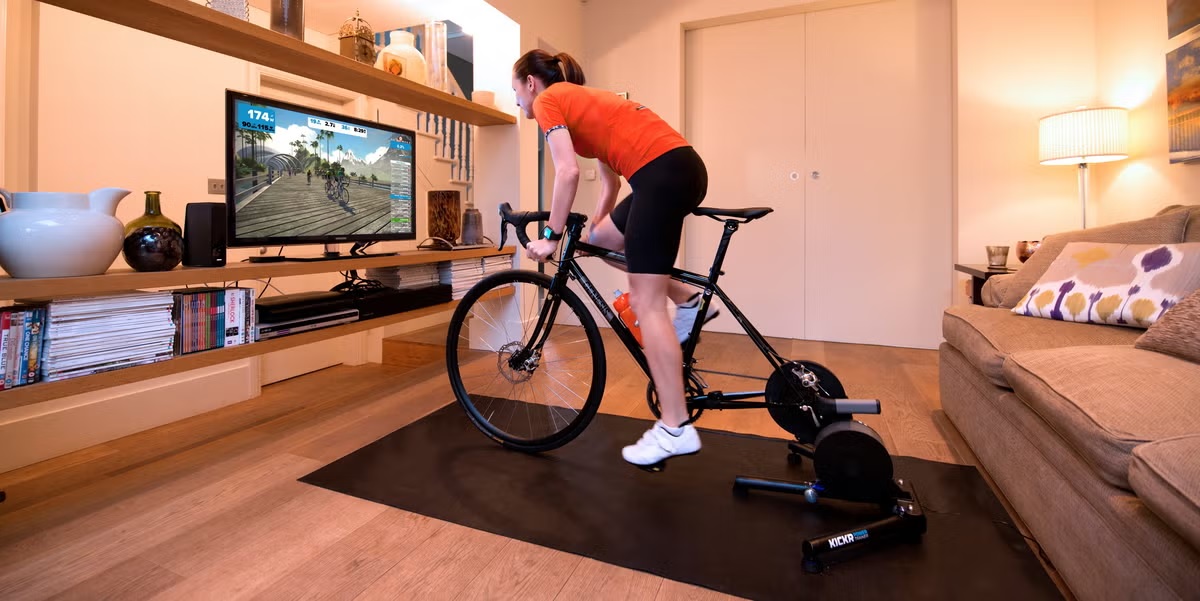

Technology has reshaped nearly every part of urban life, from how people work to how they socialise and manage their health. Fitness is no exception. In recent years, indoor cycling singapore has evolved from a simple instructor-led workout into a data-driven, immersive training experience powered by smart fitness technology. This transformation has changed how people train, track progress, and stay motivated, especially in a digitally advanced city like Singapore.
Indoor cycling now sits at the intersection of exercise science, wearable technology, performance data, and user experience design. These innovations have made cycling more engaging, measurable, and adaptable, helping participants stay consistent while training smarter rather than harder.
The Rise of Technology-Driven Fitness in Singapore
Singapore’s population is highly connected and tech-aware. From cashless payments to health tracking apps, people are comfortable using technology to optimise daily routines. This mindset has naturally extended into fitness environments, where participants expect more than basic workouts.
Indoor cycling has embraced this shift by integrating:
-
Performance tracking systems
-
Wearable device compatibility
-
Data-based feedback loops
-
Immersive audio and visual experiences
These elements turn each session into a measurable event rather than an abstract effort, increasing perceived value and long-term engagement.
Performance Metrics That Drive Motivation
One of the biggest advantages of smart indoor cycling is the ability to quantify effort and progress. Instead of relying purely on how a workout feels, participants can track tangible indicators of improvement.
Understanding Effort Through Data
Modern indoor cycling sessions often use metrics such as cadence targets, resistance levels, or perceived exertion scales. These metrics help riders understand how hard they are working and whether their effort aligns with session goals.
This data-driven approach:
-
Reduces guesswork during training
-
Encourages consistency across sessions
-
Helps participants pace themselves effectively
Over time, seeing progress in numbers reinforces motivation and commitment.
Tracking Progress Over Weeks and Months
Technology allows participants to identify trends rather than isolated outcomes. Improvements in endurance, control, and recovery become visible through repeated sessions.
This long-term visibility:
-
Builds confidence in the training process
-
Encourages goal setting
-
Reduces frustration caused by short-term fluctuations
When progress is measurable, adherence improves naturally.
Wearables and Their Role in Indoor Cycling
Wearable fitness devices have become common among active individuals in Singapore. These devices integrate seamlessly with indoor cycling routines, enhancing awareness and accountability.
Heart Rate Monitoring for Smarter Training
Heart rate data helps participants understand how their bodies respond to different intensity levels. Instead of pushing randomly, riders can train within appropriate zones to match their goals.
Benefits include:
-
Better cardiovascular conditioning
-
Reduced risk of overtraining
-
Improved recovery management
This approach supports sustainable fitness rather than burnout.
Activity Integration Beyond the Studio
Wearables track daily movement, sleep, and recovery, placing indoor cycling within a broader health context. Participants gain a clearer picture of how cycling sessions affect overall wellbeing.
This holistic view encourages healthier decisions outside the gym, reinforcing positive habits throughout the day.
Immersive Class Experiences Powered by Technology
Technology has also transformed the atmosphere of indoor cycling classes. Sound systems, lighting design, and visual cues create immersive environments that enhance focus and enjoyment.
Music and Rhythm as Performance Tools
Music is carefully selected and synchronised with session intensity. Rhythm-based cues help participants maintain cadence and effort without constantly checking metrics.
This sensory engagement:
-
Improves coordination
-
Enhances mental focus
-
Makes intense sessions feel more manageable
The result is higher output with lower perceived effort.
Visual Feedback and Engagement
Some cycling environments use visual indicators to signal intensity changes or session phases. These cues reduce cognitive load, allowing participants to stay immersed rather than distracted.
In a busy urban mindset, this immersion is particularly valuable for stress relief and mental clarity.
Data-Driven Coaching and Instructor Effectiveness
Technology does not replace instructors, it enhances their effectiveness. Instructors can use performance data and structured programming to guide participants more precisely.
Smarter Session Design
Data insights allow instructors to:
-
Balance intensity and recovery
-
Cater to mixed fitness levels
-
Encourage safe progression
This leads to better outcomes and fewer injuries over time.
Personalised Guidance in Group Settings
Even in group classes, technology enables more individual awareness. Participants learn to adjust resistance or cadence based on their own data rather than comparing themselves to others.
This personalisation supports confidence and reduces performance anxiety.
Technology and Consistency in Urban Lifestyles
One of the biggest challenges in fitness is consistency. Technology plays a key role in helping people stay on track despite busy schedules.
Scheduling and Habit Formation
Digital booking systems and reminders make it easier to commit to classes in advance. This reduces last-minute decision fatigue, which is a common reason for skipped workouts.
Once sessions become part of a digital calendar, they are treated with the same importance as work meetings.
Feedback Loops That Reinforce Behaviour
Seeing completed sessions, tracked metrics, and progress history creates positive feedback loops. These small reinforcements encourage people to return, even during periods of low motivation.
Over time, technology supports habit formation rather than reliance on willpower alone.
Smart Fitness and Long-Term Health Awareness
Beyond performance, technology encourages greater health awareness. Participants become more informed about their bodies, energy levels, and recovery needs.
This awareness:
-
Improves training quality
-
Reduces injury risk
-
Encourages proactive health management
Indoor cycling becomes part of a broader wellness strategy rather than a standalone activity.
Professional Fitness Environments and Technology Integration
Well-managed fitness facilities invest in technology to enhance member experience without overwhelming users. Facilities such as True Fitness Singapore integrate smart systems within structured programs, ensuring that technology supports rather than distracts from training goals.
This balanced integration helps participants benefit from innovation while maintaining a human-centred approach to fitness.
Adapting to Future Fitness Trends
Fitness technology continues to evolve, but indoor cycling remains adaptable. Whether through improved data accuracy, enhanced user interfaces, or deeper integration with health platforms, cycling programs can evolve without losing their core appeal.
This adaptability ensures long-term relevance in a rapidly changing fitness landscape.
Frequently Asked Questions
Do I need wearable devices to benefit from indoor cycling technology?
Wearables enhance awareness, but they are not required. Indoor cycling sessions are designed to be effective with or without personal devices.
How does technology improve motivation in indoor cycling?
Data tracking, progress visibility, and immersive environments help participants stay engaged and committed over time.
Is technology distracting during workouts?
When integrated properly, technology simplifies decision-making and enhances focus rather than causing distraction.
Can beginners benefit from smart indoor cycling systems?
Yes. Technology helps beginners understand effort levels and progress safely without needing advanced fitness knowledge.
Does technology replace instructors in indoor cycling?
No. Technology supports instructors by providing structure and feedback, while instructors guide motivation, form, and pacing.
Is smart indoor cycling suitable for long-term fitness?
Yes. Data-driven insights and habit-supporting tools make indoor cycling more sustainable over the long term.
Smart fitness technology has transformed indoor cycling into a more engaging, measurable, and sustainable training option. In Singapore’s fast-moving urban environment, this blend of structure and innovation helps people stay consistent, informed, and motivated while building healthier lifestyles.

Comments are closed.