
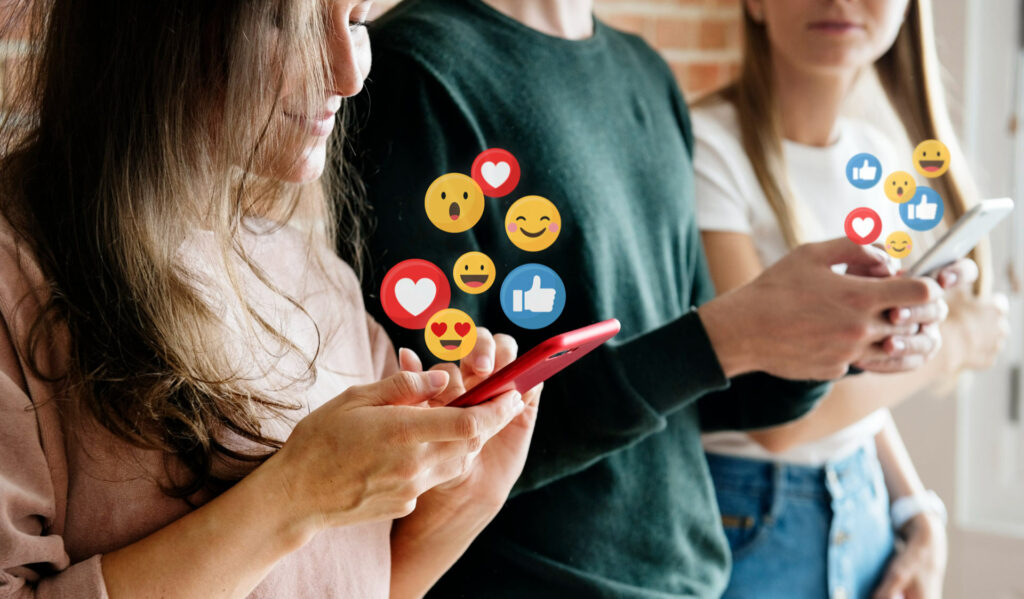

The lines dividing an individual personal life from their professional identity have completely blurred. Digital networking platforms and microblogging channels have given everyone a public megaphone, meaning a single message, video clip, or opinion can reach millions of people in a matter of hours. For businesses, this hyper-connected reality presents both an incredible marketing asset and a major structural liability.
The High Cost of Digital Incidents and PR Blunders
The digital landscape operates at blistering speed, and public backlash against a corporate brand can manifest instantly. All it takes is for a staff member to post an inappropriate comment, share an insensitive meme, or engage in a volatile public debate while having their employer name listed on their public profile. Within minutes, internet users can connect the individual behavior to your brand, launching public boycott campaigns and demanding swift corporate penalties.
When a public relations crisis erupts because of an online blunder, the financial and operational fallout can be severe.
-
Immediate Brand Devaluation: Public backlash can alienate your core customer base, resulting in a sudden drop in customer retention and a direct hit to sales revenue.
-
Severe Talent Acquisition Bottlenecks: A toxic viral incident can permanently tarnish your employment brand, making top-tier industry candidates hesitant to apply for open positions at your firm.
-
Exorbitant Operational Redirection: Executive leadership and marketing teams are forced to halt strategic business operations to manage media inquiries and engineer crisis mitigation strategies.
A robust corporate protocol minimizes these risks by outlining exactly what constitutes unacceptable behavior, ensuring that every worker understands the real-world consequences of reckless online choices before an incident happens.
Mitigating Security Vulnerabilities and Data Leaks
While high-profile public relations disasters capture headlines, backend security breaches and data leaks caused by careless social media usage present an equally dangerous threat. Cybercriminals routinely monitor personal accounts to gather operational intelligence for sophisticated phishing and social engineering attacks.
For example, an enthusiastic engineer might publish a workplace photograph celebrating a product milestone, inadvertently exposing internal software source code, proprietary wireframes, or server credentials visible on a background monitor screen. Similarly, human resources specialists or client account managers might share team celebration pictures that accidentally reveal confidential client names, internal financial spreadsheets, or protected healthcare information.
An enterprise social media directive establishes clear, unyielding operational boundaries regarding what can be photographed, recorded, or discussed online. It explicitly restricts the publication of trade secrets, unreleased product roadmaps, internal corporate communications, and proprietary backend infrastructure details, significantly fortifying your organizational security posture.
Navigating Legal Constraints and Compliance Standards
Drafting a corporate social media policy requires a precise understanding of employment law and regulatory compliance. A common mistake among business owners is creating an overly restrictive policy that completely bans workers from discussing their workplace online. In the United States, broad prohibitions can violate the National Labor Relations Act, which explicitly protects the rights of employees to engage in concerted activity. This legal framework guarantees workers the right to discuss their wages, working conditions, and labor management disputes publicly, even on personal social networks.
Therefore, an effective corporate policy must distinguish clearly between protected labor discussions and prohibited corporate misconduct. The policy should focus on preventing verifiable harms—such as harassment, discrimination, hate speech, and defamation—while respecting federal labor standards.
Additionally, for brands operating in highly regulated fields like banking, healthcare, or consumer finance, the policy must integrate specific regulatory compliance mandates. In these sectors, unverified claims, premature financial projections, or unauthorized product endorsements published by staff members can result in severe federal compliance fines and regulatory investigations.
Empowering Employee Advocacy Within Guardrails
A common misconception is that a social media policy must be entirely punitive and restrictive. When structured correctly, a great policy can actually unlock the power of organic employee advocacy. Your workforce is your most authentic marketing asset; when staff members voluntarily share their genuine pride in their workplace, highlight corporate volunteer initiatives, or celebrate team milestones, they build deep trust and brand equity that paid advertising cannot replicate.
By providing clear, structured guidelines, you give your team the confidence to post safely without the fear of accidentally crossing an unspoken line or facing human resources penalties.
-
Provide Standard Boilerplate Disclaimers: Educate workers on how to use standard professional disclaimers on their personal accounts, such as stating that all opinions expressed are entirely their own and do not represent their employer.
-
Supply Curated Content Toolkits: Create centralized asset folders containing pre-approved corporate graphics, educational brand articles, and compliant industry hashtags that workers can easily share to their personal networks if they choose to do so.
-
Establish Clear Authorization Paths: Clearly define who is authorized to speak officially on behalf of the company during industry events or corporate announcements, eliminating internal confusion and accidental misstatements.
Structuring the Core Framework of the Document
To ensure maximum comprehension and compliance, a social media policy must be written in clear, accessible language, completely free of dense legal jargon. The document should contain several fundamental components.
First, it must clearly define its scope, outlining exactly which digital platforms, forums, and networks are governed by the rules, making it explicitly clear that the policy applies to personal accounts if the activity intersects with the workplace environment. Second, it must establish unambiguous guidelines regarding the use of company logos, trademarks, and copyright assets on non-official channels.
Third, it must outline a transparent escalation and enforcement matrix. Workers must understand exactly how violations are investigated and what the disciplinary actions entail, ranging from initial formal warnings to immediate employment termination for malicious breaches. Finally, this document must be integrated into your standard onboarding curriculum and reviewed during annual corporate compliance training sessions to remain current with changing digital trends.
Frequently Asked Questions
Can an employer legally terminate a worker for a post published outside of working hours?
Yes. In at-will employment jurisdictions within the United States, an employer can legally terminate an individual for off-duty conduct if their social media posts violate established corporate policies, contain hate speech, defame the brand, harass colleagues, or expose confidential corporate data. The primary exception is content explicitly protected as concerted activity under federal labor laws.
How should a social media policy handle staff members who list their employer on dating apps?
A progressive corporate policy should include guidelines for all digital networks where an employer name can be showcased. The policy should explicitly state that if a worker chooses to associate the brand name with a personal profile on any platform, their behavior on that application must align with the organization internal code of conduct and anti-harassment policies.
What is the best internal protocol for managing a viral social media crisis caused by an employee?
When a digital crisis occurs, the internal team must activate an engineered response plan. First, secure comprehensive documentation and screenshots of the incident. Second, instruct the involved staff member to pause interactions rather than engaging in defensive public arguments. Third, issue a centralized statement from an official company spokesperson acknowledging the issue and outlining the corrective actions being taken, ensuring the response decouples the corporate brand from the individual misconduct.
Does a corporate social media policy apply to anonymous online accounts run by workers?
Yes. An individual can still face disciplinary action or termination if their anonymous account is unmasked and found to be publishing content that breaches corporate confidentiality agreements, reveals trade secrets, or violates anti-discrimination policies. Anonymity does not exempt a worker from their contractual obligations to their employer.
How often should an enterprise update its employee social media policy document?
An enterprise should conduct a formal legal and operational review of its policy at least once every twelve months. Digital networks change rapidly, introducing new features, communication dynamics, and data sharing formats that legacy policy frameworks may not adequately cover. Regular updates ensure the guidelines remain relevant against modern digital risks.
Should a brand monitor its employees’ personal social media accounts?
Active, invasive surveillance of personal accounts is generally discouraged as it degrades workplace morale, erodes organizational trust, and creates potential legal liabilities regarding user privacy. Instead, brands should rely on standard social listening tools to track direct brand mentions and establish clear internal whistleblowing channels where staff can report policy violations organically.
How does a social media policy protect a company against intellectual property theft?
The policy enforces strict data management standards by explicitly stating that all creative assets, software code bases, client documentation, and strategic operational strategies developed during employment are the exclusive intellectual property of the organization. It prohibits the distribution of these assets on any personal digital medium, providing a clear legal framework for enforcement if theft occurs.

Comments are closed.